Master the Art of Balanced Nutrition
Discover the principles, techniques, and culinary wisdom behind creating meals that nourish your body and delight your palate. Our comprehensive course equips you with practical knowledge to transform your everyday cooking.
The information on this site is for educational purposes only and does not constitute medical advice. Always consult a qualified healthcare professional before making health decisions.
Why Choose Our Balanced Meals Program
Explore the core features that make our educational approach distinctive and effective for home cooks of all skill levels.
Nutritional Balance Fundamentals
Learn the science behind macro and micronutrient distribution across your meals. Understand how to combine proteins, healthy fats, and complex carbohydrates in proportions that support sustained energy and overall wellness. Our modules break down nutrition science into practical kitchen knowledge.
Practical Cooking Techniques
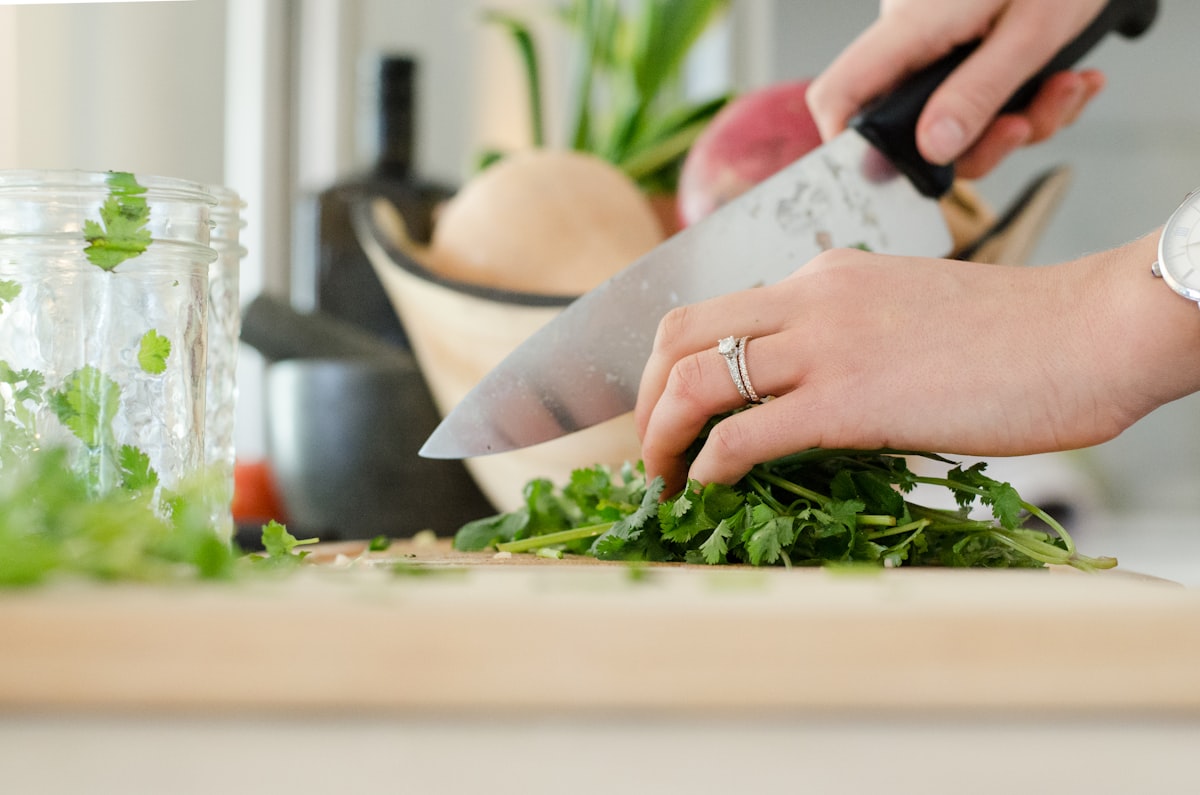
Master foundational culinary methods that preserve nutrients while enhancing flavor. From gentle steaming and grilling to proper seasoning strategies, you'll develop hands-on skills that make balanced cooking intuitive. Video demonstrations and step-by-step guides accompany every technique.
Curated Recipe Collections
Access over 100 tested recipes designed to demonstrate balanced meal principles. Each recipe includes detailed nutritional breakdowns, ingredient sourcing tips, and variations for different dietary preferences. Build a repertoire of dishes you'll genuinely enjoy preparing and eating.
Meal Planning Strategies
Develop organizational skills that make weekly meal prep efficient and enjoyable. Learn how to structure weekly menus, manage ingredient inventory, and adapt recipes based on seasonal availability. These frameworks reduce decision fatigue and ensure consistency in balanced eating patterns.
Global Cuisine Integration
Explore how different culinary traditions approach balanced nutrition through diverse ingredients and cooking methods. Discover Mediterranean, Asian, and traditional European approaches that emphasize natural balance. Broaden your palate while maintaining nutritional principles.
Community & Editorial Support
Join a growing community of home cooks committed to balanced nutrition education. Access our editorial content library with articles on ingredient selection, cooking science, and kitchen innovation. Engage with written resources and feedback from our culinary education team.
Your Learning Journey
Follow a structured pathway from foundational concepts to advanced meal composition techniques.
Foundation Modules
Begin with essential concepts: nutrient categories, portion understanding, seasonal ingredient awareness, and basic kitchen equipment knowledge. These modules establish the vocabulary and mindset you'll build upon throughout the course.
Technique Training
Progress through hands-on cooking methods and flavor development strategies. Learn vegetable preparation, protein cooking approaches, and sauce creation. Each lesson connects technique directly to nutritional preservation and meal balance principles.
Meal Composition Mastery
Synthesize your knowledge into complete meal planning and preparation. Learn to combine techniques, balance flavors, manage timing, and create menus that reflect your preferences while maintaining nutritional integrity across your weekly eating patterns.
What Makes Our Approach Different
Understand the distinctive elements of our educational philosophy and content methodology.
Editorial Focus
- Research-based content: Every article and lesson draws from peer-reviewed culinary science and nutrition education sources.
- Transparent sourcing: We openly share sources, studies, and expert references for every major claim.
- Practical bias: Content prioritizes kitchen application over theoretical complexity, making knowledge immediately useful.
- Continuous updates: Our editorial team regularly refreshes content with emerging culinary trends and ingredient discoveries.
Learner-Centered Design
- Modular structure: Learn at your own pace with content organized into digestible units you complete when ready.
- Visual learning: High-quality photography and instructional videos complement written explanations for multiple learning styles.
- Adaptation flexibility: Learn how to modify recipes and techniques for your kitchen, budget, and dietary preferences.
- Accessible language: Complex concepts explained without jargon, making nutrition science genuinely understandable.
Inspiring Meal Transformations
Visual examples of how balanced meal principles transform everyday home cooking into delicious, nourishing dishes.
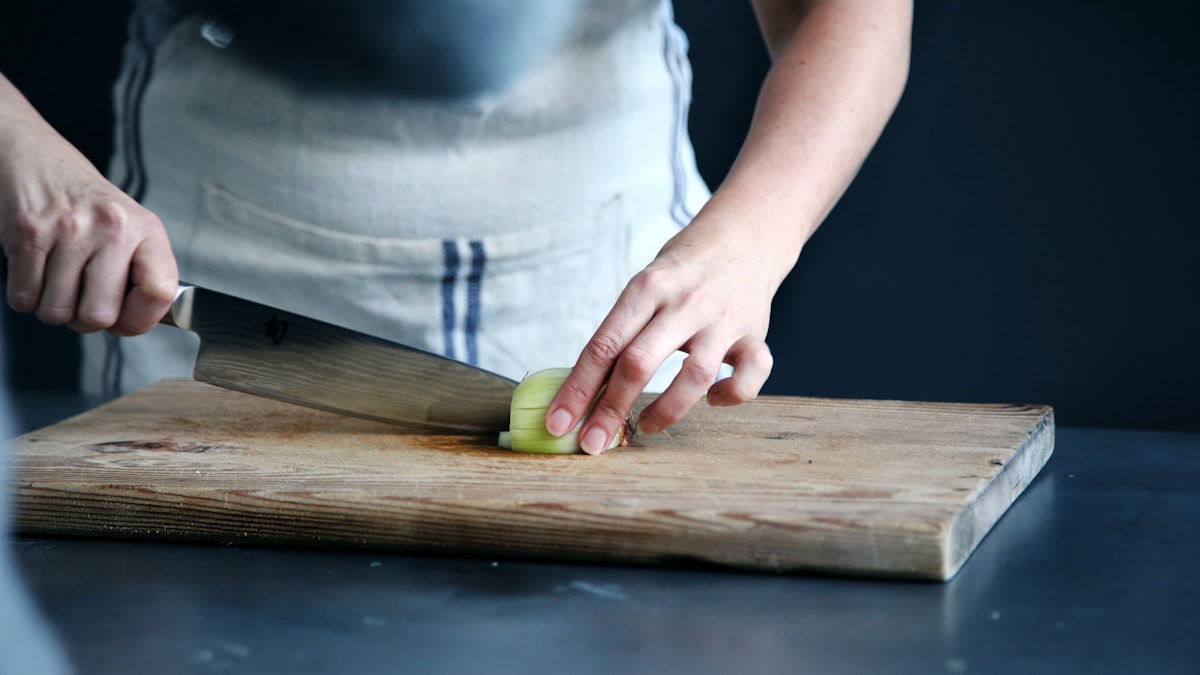
Mediterranean Grain & Vegetable Balance
A complete meal combining whole grains, seasonal vegetables, lean protein, and healthy fats. This composition demonstrates practical balance while featuring globally inspired flavors and locally available ingredients.
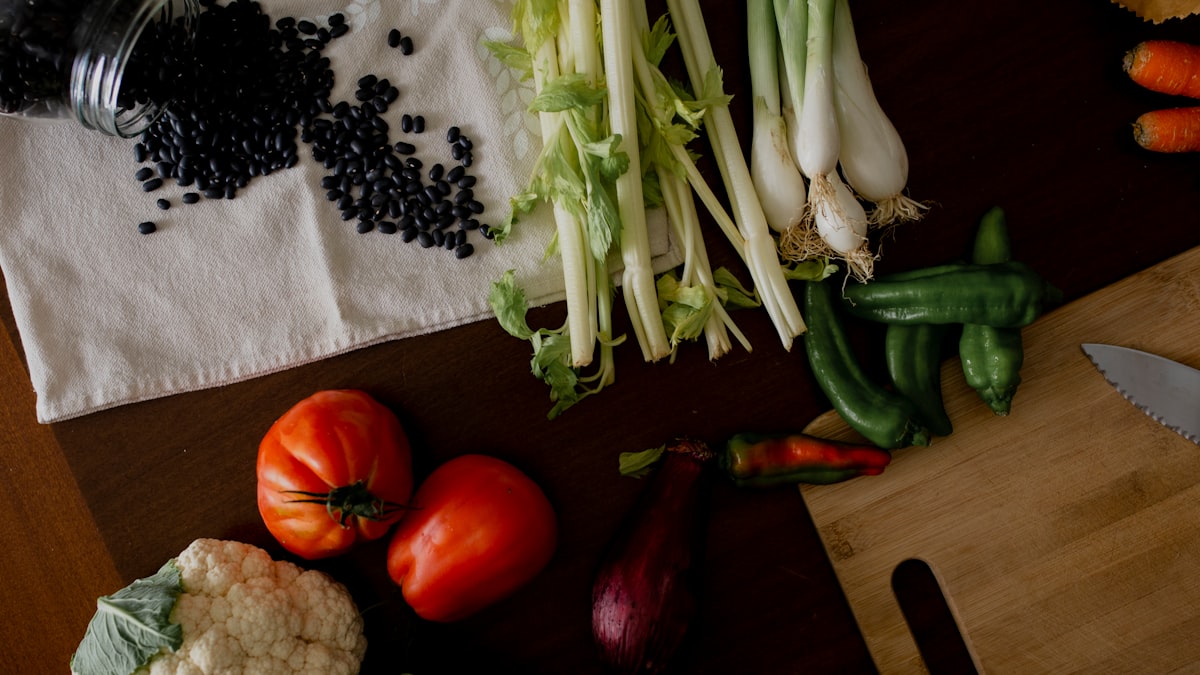
Asian Technique Stir-Fry Approach
Demonstrates how traditional Asian cooking methods preserve vegetables while building balanced flavor profiles. High-heat cooking with minimal oil showcases nutrient retention while keeping meals visually appealing and delicious.
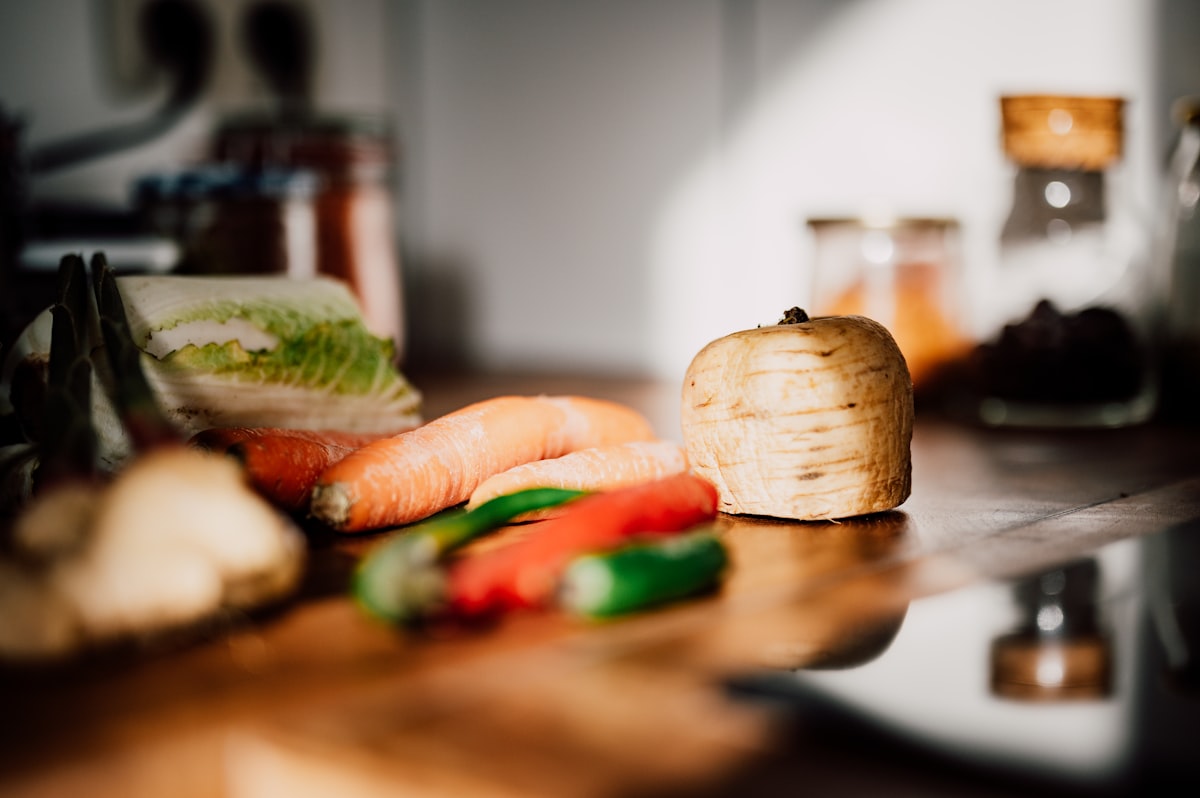
Roasted Protein with Seasonal Vegetables
Shows how simple roasting techniques create deeply flavored, nutritionally complete meals. This approach combines lean protein with colorful vegetables, demonstrating visual variety as an indicator of diverse nutrient intake.
Plant-Forward Balanced Salad Composition
Illustrates how vegetables, legumes, whole grains, and healthy oils combine into satisfying, complete meals. Perfect for demonstrating how vegetarian approaches achieve full nutritional balance through thoughtful ingredient selection.
Success Stories from Our Students
Real experiences from home cooks who transformed their approach to daily meals through our educational content.
"I never understood why some meals made me feel energized and others left me sluggish. The course taught me that balance isn't about restriction—it's about combination. Now I approach my kitchen with actual knowledge instead of guessing. The visual examples were particularly helpful; seeing how a plate should look guided my own cooking immediately."
★★★★★ — 4.9/5Sarah M., Berlin
"As someone who travels frequently for work, meal inconsistency was my biggest challenge. The framework from this course helps me think through balanced meals regardless of available ingredients. I've developed decision-making skills that make eating well accessible everywhere—not just at home."
★★★★★ — 4.9/5Michael K., Munich
"I appreciated how the content separated cooking quality from nutrition science. You can have perfectly balanced meals that taste boring, and delicious meals that don't nourish you. This course showed me how to have both. The recipe variations helped me adapt to my family's preferences without abandoning nutritional principles."
★★★★★ — 4.9/5Elena T., Leipzig
Common Questions Answered
Clear, direct answers to questions frequently asked by people beginning our balanced meals educational journey.
What if I have limited cooking skills?
Our course is designed for beginners through intermediate cooks. We start with foundational techniques and build complexity gradually. Every lesson includes detailed step-by-step instructions with visual demonstrations. There's no assumption of prior culinary training—only a willingness to learn.
Can I adapt recipes to my dietary preferences?
Yes, absolutely. The course emphasizes understanding principles rather than memorizing recipes. Once you grasp how nutrients combine and how flavors develop, you can modify any recipe. We include specific adaptation guidance for various dietary approaches and preference patterns.
How much time does this course require weekly?
Most students complete modules at their own pace, ranging from 2-5 hours weekly depending on learning style and engagement level. The modular structure allows flexibility—you can complete one lesson in a week or take longer. There are no strict deadlines or time requirements.
What kitchen equipment do I need?
Standard home kitchen equipment suffices—you don't need specialized gadgets. We teach techniques using basic tools: good knives, cutting boards, pots, pans, and baking sheets. Optional equipment recommendations are clearly marked. The focus is on technique skill, not expensive equipment.
How do I access the course content?
All course materials are available through our website, accessible anytime from any device. Content includes written lessons, recipe collections, instructional videos, and reference guides. No software installation is required—just a web browser and internet connection.
Is there feedback on my cooking progress?
Our editorial team reviews content feedback and questions through our contact channel. We provide written guidance for content questions and article clarification. For detailed personal cooking feedback, we recommend joining our community discussion forums where other students and facilitators share experiences and advice.
Stay Updated with New Recipes & Cooking Tips
Subscribe to our newsletter for fresh content, seasonal ingredient guides, and practical cooking advice delivered to your inbox monthly.
We respect your privacy. Unsubscribe anytime. No spam, only valuable content.
Ready to Transform Your Cooking?
Explore our full course content, recipe library, and educational resources. Begin your journey toward confident, balanced meal preparation today.